
Samurai Family Crests of Japan
Samurai families used kamon, or family crests, to represent their clan identity. These symbols appeared on armor, banners, helmets, clothing, and war equipment. Today, many of these crests are still strongly associated with famous historical figures.

What is a Samurai Kamon?
A samurai kamon is a traditional Japanese family crest used by warrior clans. During the Heian period, early family symbols appeared among aristocrats, and by the time of the Genpei War, samurai clans were using kamon to identify allies on the battlefield.
Unlike European coats of arms, Japanese kamon are usually simple, symmetrical designs. They are easy to recognize from a distance and often use motifs from nature, such as leaves, flowers, birds, butterflies, or geometric shapes.
Famous Samurai Clan Crests
Jump to a clan: Tokugawa | Oda | Takeda | Uesugi | Date
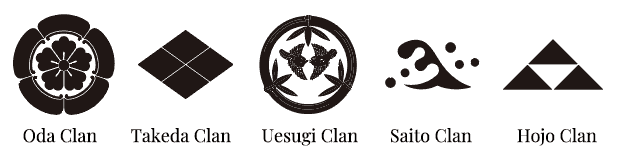
Many of the most recognizable Japanese family crests come from famous samurai clans of the Sengoku period. Some were used by powerful daimyo, while others became symbols of regional identity and military authority.
Tokugawa Clan
The Tokugawa clan used the famous Mitsuba Aoi crest. It became one of the most widely recognized symbols in Japanese history after Tokugawa Ieyasu established the Tokugawa shogunate.
Oda Clan
The Oda clan is often associated with the Mokko crest. Oda Nobunaga, one of the most famous figures of the Sengoku era, made this crest especially well known.
Takeda Clan
The Takeda clan used the Takeda-bishi design, a geometric diamond-based crest. It is strongly associated with Takeda Shingen and remains popular in historical references.
Uesugi Clan
Several kamon are connected with the Uesugi family, depending on branch lines and historical period. This makes the Uesugi crest an interesting example of how kamon can vary over time.
Date Clan
The Date clan is known for the crest commonly described as Bamboo and Sparrow. This elegant motif is closely linked with Date Masamune.
Why Samurai Used Kamon
Kamon helped samurai identify one another in battle and represented clan lineage, status, and authority. They appeared on battlefield banners, armor, horse gear, and even personal belongings.
- To identify allies and leaders in battle
- To show family lineage and prestige
- To mark property, equipment, and formal clothing
- To preserve clan identity across generations
How to Read a Samurai Crest
When identifying a kamon, look closely at four main points:
- Main motif – leaf, flower, bird, feather, butterfly, etc.
- Enclosure – whether the design is surrounded by a circle
- Number of elements – for example three leaves or five petals
- Orientation – the direction the design faces
Small differences can indicate a completely different family line or historical variation.
For example, the Tokugawa family crest can be recognized by its three hollyhock leaves arranged inside a circular form.
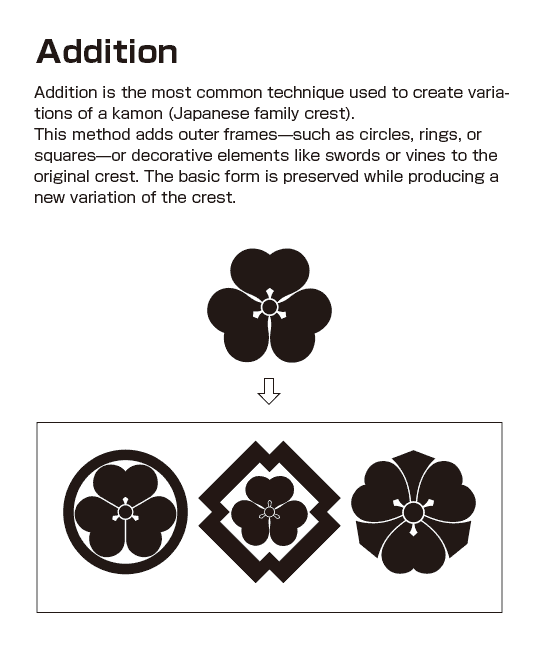
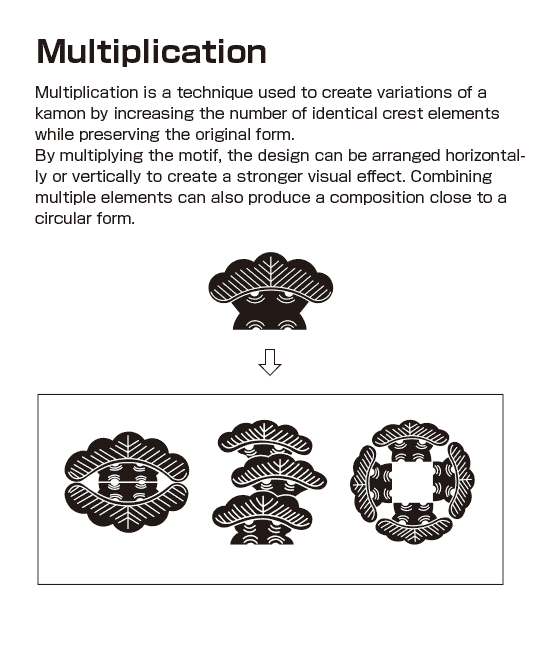
Download Samurai Kamon Data
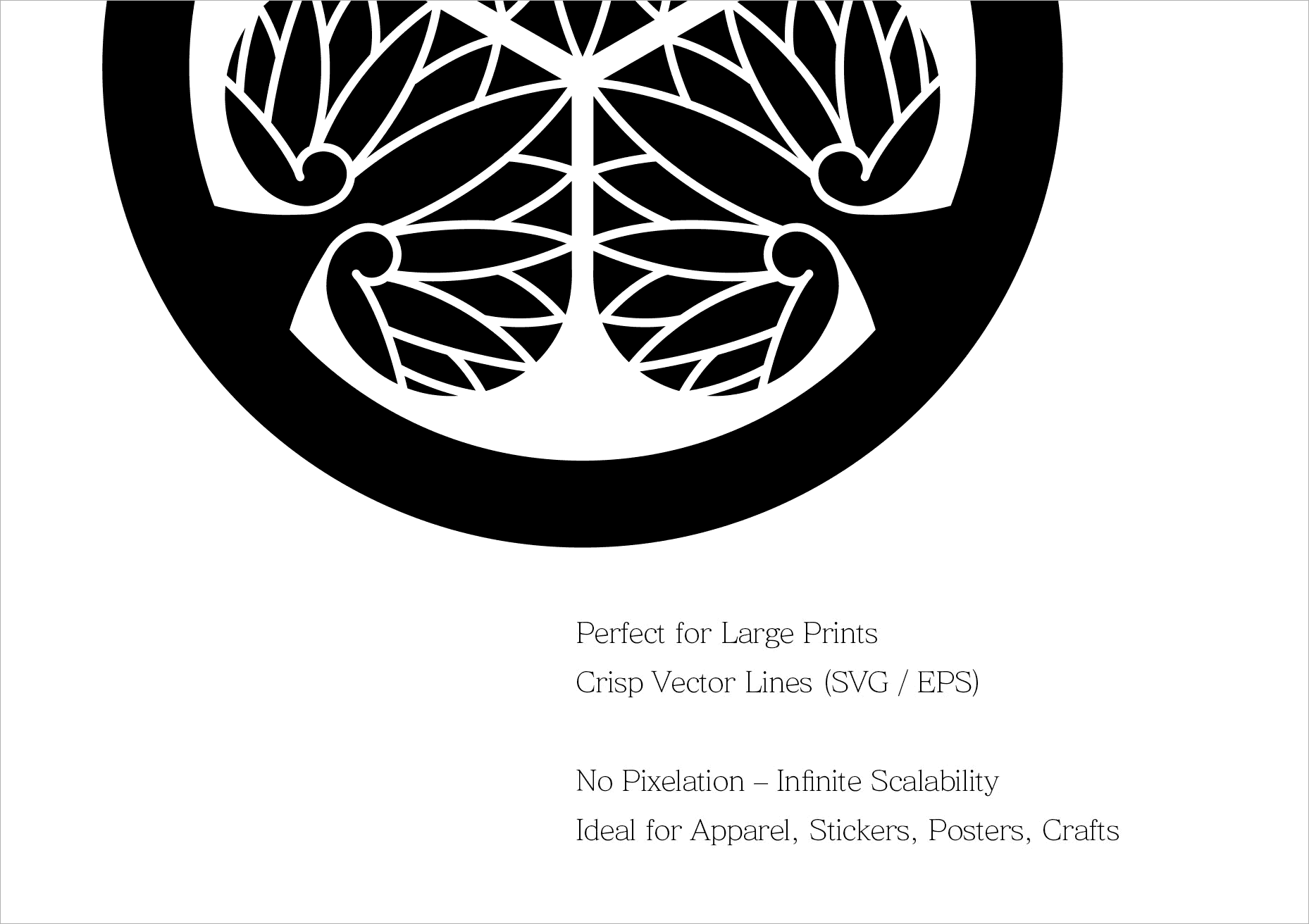
Selected samurai family crests are available as downloadable data for research, publishing, design, and historical projects.
- Web-size PNG for reference
- High-resolution PNG for print
- Vector formats (AI / EPS / PDF) for scaling and production
For commercial use, licensing is required. After purchase, editing and resizing are allowed for your project, but redistribution of the source data is not permitted.
Contact
If you are looking for a specific samurai crest, need a higher-resolution file, or want to ask about licensing, please contact us with the crest name and intended usage.
Explore More Kamon
Home | Samurai Kamon | Kamon Symbols | Kamon List | Download Kamon

